Summer Fruit Tree Care: Watering and Mulching Tips
As summer temperatures rise, fruit trees face increased stress from heat and water loss. Proper care during this period is essential to support their health and future productivity. This article provides practical guidance on watering and mulching techniques to help fruit trees cope with hot, dry conditions. By understanding the principles behind these practices, you can make informed decisions tailored to your trees’ needs and local climate.
Watering and mulching are two fundamental components of tree care that work synergistically to maintain soil moisture and root health. Water supplies the necessary hydration, while mulch helps reduce evaporation and regulate soil temperature. However, effective implementation requires more than just a set schedule; it involves observing tree responses, soil conditions, and weather patterns. The following sections explore key considerations for developing a watering routine and choosing and applying mulch appropriately.
Understanding Water Needs of Fruit Trees in Summer
Fruit trees require consistent moisture, especially during the active growing season. Water uptake is critical for nutrient transport, photosynthesis, and fruit development. In summer, high temperatures increase evapotranspiration rates, meaning trees lose more water through their leaves. To compensate, you may need to adjust your irrigation practices to ensure trees receive adequate hydration without overwatering.
The frequency and amount of water depend on several factors: tree age, species, soil type, and local weather. Young trees with smaller root systems require more frequent watering, while established trees can tolerate longer intervals. Sandy soils drain quickly, so they may need more frequent applications, whereas clay soils retain water longer but can become waterlogged. Monitoring soil moisture is a reliable way to gauge when to water. Stick your finger or a soil probe into the ground near the root zone; if it feels dry several inches deep, it’s time to water.
Another aspect to consider is the method of watering. Drip irrigation or soaker hoses are beneficial because they deliver water directly to the root zone, minimizing evaporation and runoff. Sprinklers can be less efficient, especially in windy or hot conditions. Watering early in the morning or late in the evening reduces water loss due to evaporation. Deep, infrequent watering encourages roots to grow deeper, making trees more drought-tolerant over time.
Effective Mulching Techniques for Moisture Conservation
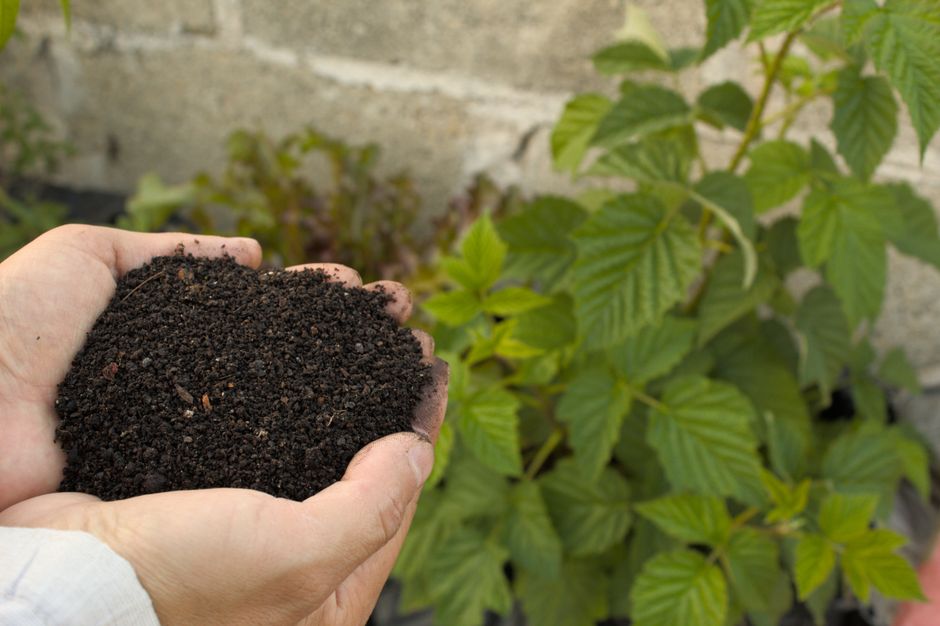
Mulch is a protective layer applied to the soil surface around the base of the tree. It serves multiple purposes: conservation of soil moisture by reducing evaporation, moderation of soil temperature, suppression of weed growth, and enhancement of soil structure as it decomposes. Organic mulches, such as wood chips, bark, straw, or compost, are commonly used because they gradually break down and improve soil fertility.
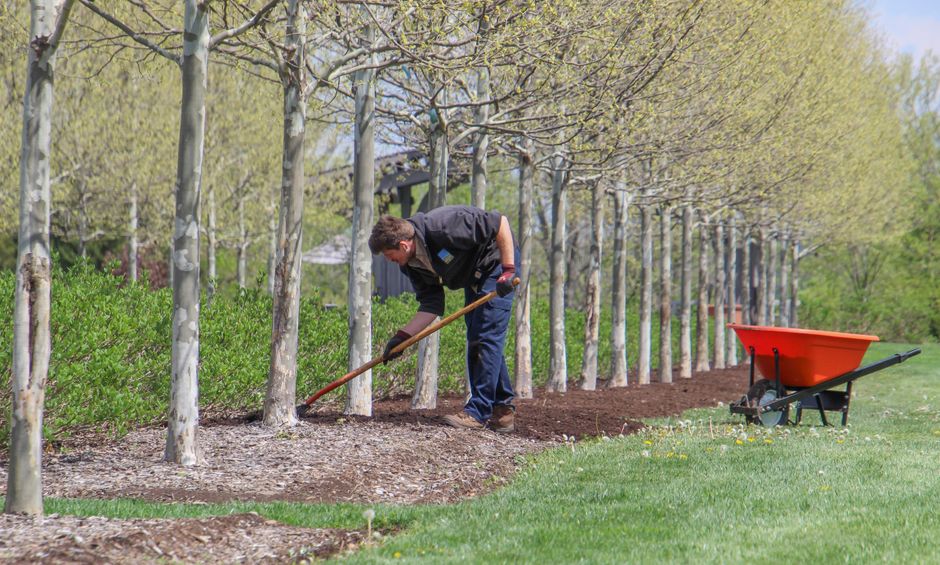
When applying mulch, it is crucial to follow proper techniques. First, clear the area around the tree of weeds or grass. Then, spread a layer of mulch about 2-4 inches deep, extending it outward to the drip line (the outermost edge of the tree’s canopy). Ensure the mulch does not touch the trunk; leave a gap of a few inches to prevent moisture from accumulating against the bark, which can lead to rot or disease. A ring of mulch that is too thick can also suffocate roots by limiting oxygen exchange.
The choice of mulch material can influence its effectiveness. Wood chips and bark are long-lasting and effective, while straw decomposes faster but adds organic matter. Compost provides nutrients but may need replenishing more often. Consider the aesthetics and availability of materials in your region. Additionally, avoid using fresh, non-composted wood chips as they may temporarily tie up nitrogen in the soil as they decompose.
Developing a Summer Watering Schedule
Creating a watering schedule requires balancing the tree’s needs with environmental conditions. A common approach is to water deeply and less frequently rather than shallowly and often. Deep watering promotes deeper root growth, enhancing drought resistance. For most fruit trees, a weekly soaking during the hottest months is a good starting point, but adjust based on rainfall and temperature.
To determine the right amount, consider the tree’s age: young trees need about 5-10 gallons per week, while mature trees may need up to 20-30 gallons, depending on size. You can check soil moisture after watering to ensure the water has penetrated deeply. An easy test is to insert a long screwdriver or probe into the soil; if it slides in easily, the soil is moist. If not, additional watering may be necessary.
During periods of extreme heat or drought, you may need to increase the frequency or use additional measures like shade cloths for very vulnerable trees. However, be cautious not to overwater, as this can lead to root rot and other issues. It’s also essential to watch for signs of stress in trees: drooping leaves, leaf scorch, or premature fruit drop. Conversely, yellowing leaves and waterlogged soil indicate too much water.
Adapt your watering practices based on real-time observations. No single schedule works for all situations, as local climate and microclimatic conditions heavily influence outcomes.
Mulching and Watering: Integrated Approach
Combining proper watering and mulching enhances overall tree health during summer. Mulch conserves soil moisture by reducing evaporation, so you may need to water less frequently. This is especially valuable in areas with water restrictions or limited supply. Moreover, mulch helps keep the soil cool, reducing stress on the roots.
However, mulching does not eliminate the need for watering; it supplements it. The effect of mulch on moisture conservation depends on its type and thickness. Organic mulches gradually decompose, losing their effectiveness, so they need periodic replenishment. Inorganic mulches, like gravel or landscape fabric, are less common for fruit trees due to potential negative effects on soil health.
An integrated strategy involves monitoring soil moisture regularly and adjusting your watering and mulching practices accordingly. For instance, after applying a fresh layer of mulch, you might reduce watering frequency. Conversely, if your mulch layer thins, you may need to increase watering. This flexible approach ensures your trees receive the right amount of moisture without waste.
Monitoring Tree Health and Adjusting Practices
Observing your trees regularly helps you fine-tune your care routine. Signs of healthy hydration include vibrant leaf color, turgid leaves, and steady growth. Symptoms of water stress include wilting, leaf curling, and leaf drop. On the other hand, overwatering may manifest as yellowing leaves, mold on soil surface, or root rot. By paying attention to these indicators, you can adjust your watering and mulching practices in a timely manner.
Environmental factors also play a role. High winds increase evaporation, so you might need to water more often. Hot spells may require temporary extra watering. Additionally, fruit development demands extra water; if fruits are expanding, the tree may need more moisture. Conversely, after harvest, you can reduce watering gradually.
Mulch should be inspected periodically. If it becomes compacted or sparse, replenish it. Keep the area around the trunk clear and avoid piling mulch like a volcano, which can harm the tree. By integrating these practices, you can support your fruit trees through the summer and prepare them for the following seasons.